Proudly Unfinished: Why Some of the Most Passionate Collectors Are Leaving Gaps on Purpose

Photo: Marika yuzu, CC BY-SA 4.0, via Wikimedia Commons
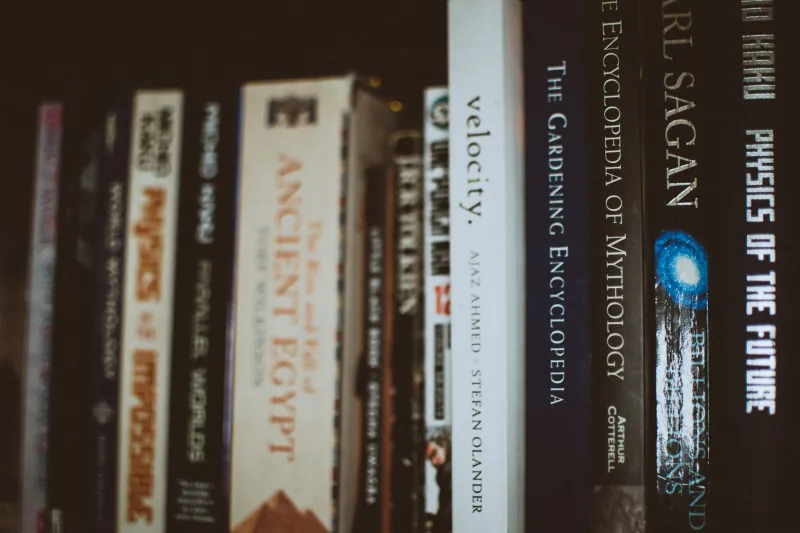
There's a shelf in a lot of collectors' homes that tells a complicated story. Maybe it's a row of omnibus volumes with one conspicuous gap near the end. Maybe it's a box set missing the final season. To the outside world, it looks like someone ran out of money, lost interest, or just forgot to finish the job. But more and more, that gap is entirely intentional — and the person who put it there will tell you it was one of the best decisions they ever made.
Welcome to what some corners of fandom are quietly calling "selective collecting," and it's turning a lot of assumptions about what it means to be a dedicated fan completely upside down.
The Completionist Dream (and Its Hangover)
For a long time, owning everything was the gold standard. If you loved a series, you bought every volume. If you were into a franchise, you tracked down every edition, every variant, every re-release. The complete collection was proof of devotion — a physical monument to how much something meant to you.
But somewhere along the way, that devotion started feeling less like a celebration and more like an obligation. Publishers caught on fast. Omnibus editions got thicker, more expensive, and more frequent. A beloved comic run that once fit in three volumes suddenly needed six. A TV series that ended on a low note still got a deluxe box set because, well, it's not really complete without it, is it?
For a certain kind of fan, the pressure to keep up stopped being fun. And when something stops being fun, people start asking why they're doing it in the first place.
Choosing the Story Over the Set
Here's the thing that selective collectors keep coming back to: the best version of a story you love isn't always the complete version. Sometimes a run of issues peaks at a specific arc and never quite recaptures that energy. Sometimes a TV show's first three seasons are a masterpiece and the final two are genuinely difficult to sit through. Sometimes a manga series has a natural emotional endpoint that the publisher ignored in favor of milking another ten volumes out of the premise.
When you commit to owning everything, you're also committing to owning the parts that let you down. And for a growing number of fans, that's a trade-off they're no longer willing to make.
"I used to feel guilty about having an 'incomplete' collection," one longtime comics reader shared in a recent thread on a fan forum. "Now I think of it as a curated one. I own the issues and omnibuses that represent the story at its best. The stuff that came after? That's not my version of this story."
That framing — my version — keeps coming up in these conversations. Selective collecting isn't about being too broke or too lazy to finish a set. It's about asserting some ownership over your own reading experience.
Fandom Identity Is Getting Personal
This shift matters beyond just shelf space and spending habits. It's actually changing how fans talk about what it means to be a fan.
For decades, fandom identity was often tied to comprehensiveness. You weren't a real fan if you hadn't read the whole thing, watched every episode, owned every volume. Gatekeeping thrived on that logic. But as collecting culture has gotten more expensive and more exhausting, the definition of "real fan" has quietly started to flex.
There's a growing sense that depth of engagement matters more than breadth of ownership. Someone who has read a specific six-issue arc fifteen times, can quote it from memory, and has written fan essays about its themes might actually have a richer relationship with that material than someone who owns every omnibus in a series but only skimmed most of them.
Selective collectors are, in a weird way, making an argument for quality over quantity in fandom itself — not just in what they buy, but in how they engage.
The Omnibus Market Is Paying Attention
Publishers and distributors haven't missed this trend, even if they're not rushing to talk about it publicly. The success of "best of" collections, curated anthologies, and story-specific omnibuses (rather than exhaustive complete runs) suggests that the market is already adapting. When a publisher releases a collection focused on a specific creative team's run rather than a character's entire publication history, they're essentially giving selective collectors permission to engage on their own terms.
That's a meaningful shift. It acknowledges that not every fan wants the whole thing — and that there's real value in helping readers find the best entry point, or the best exit point, for a given story.
Streaming platforms figured this out years ago when they started curating "best episodes" lists alongside full season catalogs. The idea that you might want the highlight reel rather than the complete archive isn't a criticism of the source material. It's just honest about how people actually engage with the things they love.
What the Gap on Your Shelf Actually Means
If you've got an intentional gap in your collection, you're in good company. And if you've been feeling vaguely defensive about it — like you owe someone an explanation for why you stopped at volume seven — maybe this is the permission slip you didn't know you needed.
A curated collection isn't an incomplete one. It's a collection that reflects your actual experience with a story, not a publisher's release schedule or fandom's unwritten rules about what "real" devotion looks like. The gaps aren't failures. They're editorial decisions.
And honestly? There's something kind of great about a shelf that tells the story of what you actually loved, rather than everything you felt obligated to own. That's a collection with a point of view. That's a collection with a story.
At OmnibusSoc, we've always believed that every collection has a story worth telling. Turns out, some of the most interesting stories are the ones that know exactly where to stop.